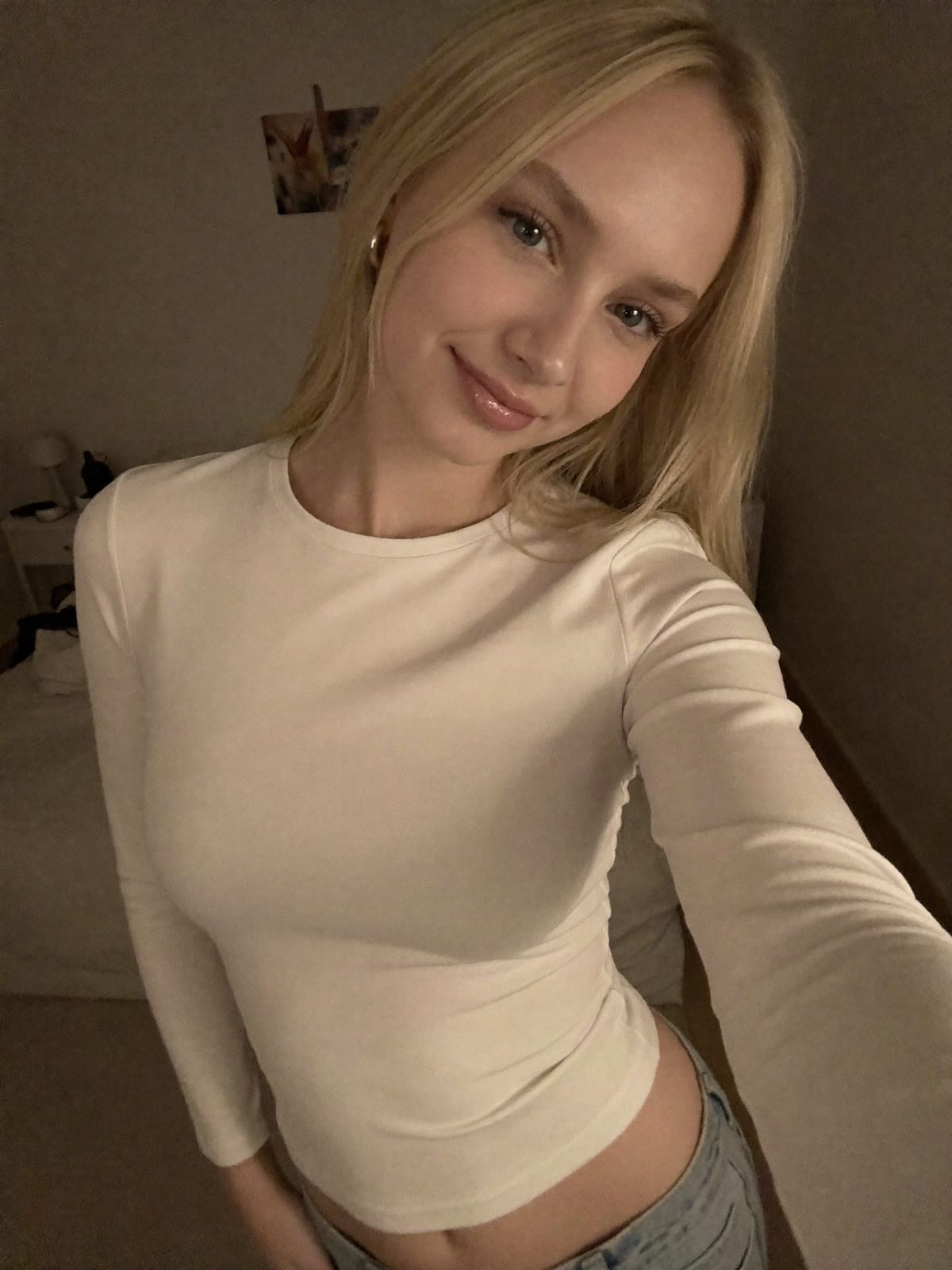
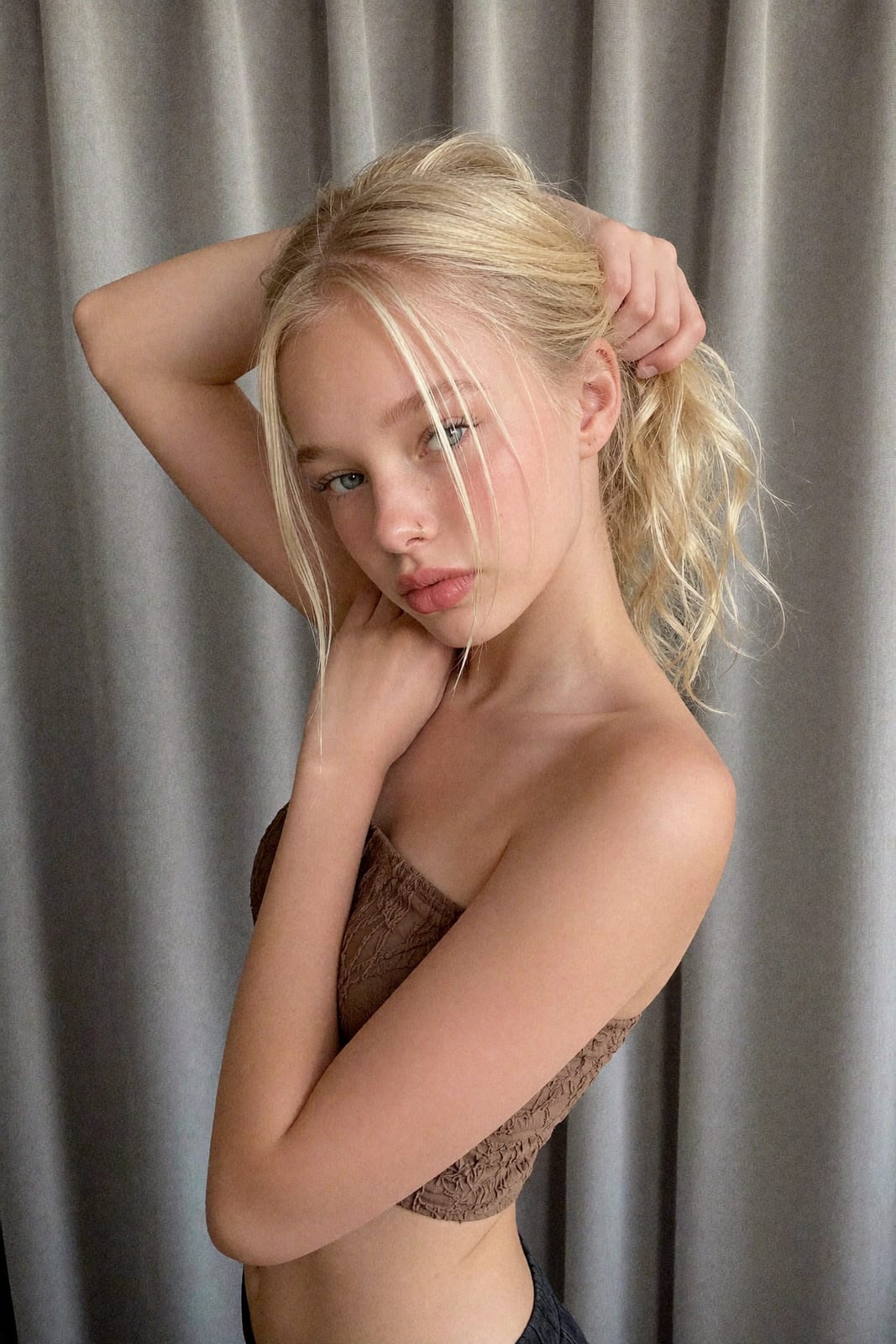
TikTok and Reels run on native, hand-held, authentic-feeling content. Polished ads get skipped; UGC-style ads get watched. AI makes it possible to produce UGC creative at scale — same face, unlimited hooks, every ratio — without booking a single creator.
Why UGC wins on short-form platforms
TikTok's algorithm doesn't amplify production value — it amplifies watch time and engagement rate. UGC ads outperform polished creative because they look like content, not ads. Vertical framing, natural speech, imperfect backgrounds, direct-to-camera delivery: these signals lower the viewer's guard long enough to hear the message. An AI creator, shot in the same native style, carries all of those signals without the cost or turnaround of real talent.
The 3 hook structures that perform
- Problem / agitate / solution — open with a pain the viewer recognises, make it visceral, then show the product as the exit. Works in 15–30 seconds.
- Contrast / reaction — before vs. after, sceptic vs. convert. The viewer is pulled forward by the gap between the two states.
- Authority / result — the creator leads with a result (number, transformation, fact) and earns the next 20 seconds by making the viewer want to know how.
The hook occupies the first 1–3 seconds. Everything else in the ad exists to justify watching past that point. Test hooks independently before scaling spend.
Testing at scale: the AI advantage
Creative testing is the main lever in paid social. The standard rule of thumb: run at least 3–5 hooks per offer before scaling. With a human UGC creator, each new hook means a new booking, new direction, new editing round — and typically a 1–2 week turnaround per variation. With an AI creator, every hook variation is a brief, not a shoot. The same face, the same recognisable spokesperson, delivers 10 hooks in the time it takes to negotiate a single creator brief.
Format and ratio breakdown
- 9:16 vertical (TikTok, Reels, Shorts) — primary format; native to the platform. 15–45 seconds for awareness; 45–90 seconds for conversion-heavy storytelling.
- 4:5 portrait (Instagram Feed, Facebook Feed) — maximum screen real estate in the feed. Use for direct-response creative and retargeting.
- 1:1 square — universal fallback. Loses screen space on mobile but runs everywhere without reformatting.
- 16:9 landscape (YouTube pre-roll) — lower priority for UGC-style creative but useful for brand-awareness campaigns.
Campaign math: AI UGC vs. real creators
A mid-tier UGC creator typically charges €200–500 per video, plus revision fees and usage licensing per platform per period. A batch of 5 hooks from 3 different creators — the minimum viable test — costs €3 000–7 500 before any media spend, with a 2–4 week turnaround.
The same test from a consistent AI creator is a fraction of that cost, delivers in days, carries no usage licensing, and uses one recognisable face that builds recall across every variation. When a hook wins and you want to scale, there's no re-booking delay — you brief a new variation of the same creative.
Retargeting with a consistent face
Retargeting works best when the viewer recognises the spokesperson from a previous touchpoint. An AI creator is the same face in every ad, across every stage of the funnel — top of funnel hook, mid-funnel testimonial, bottom-of-funnel urgency close. Real creator campaigns rarely achieve this without expensive exclusivity agreements.
The best-performing creative test we see: 3 hooks × 2 CTAs × 2 audience angles = 12 variations, all the same face, at the cost of one traditional creator video.
See what formats and ratios Velora delivers on the AI UGC ads page, or learn about the broader ways to make money with an AI influencer.