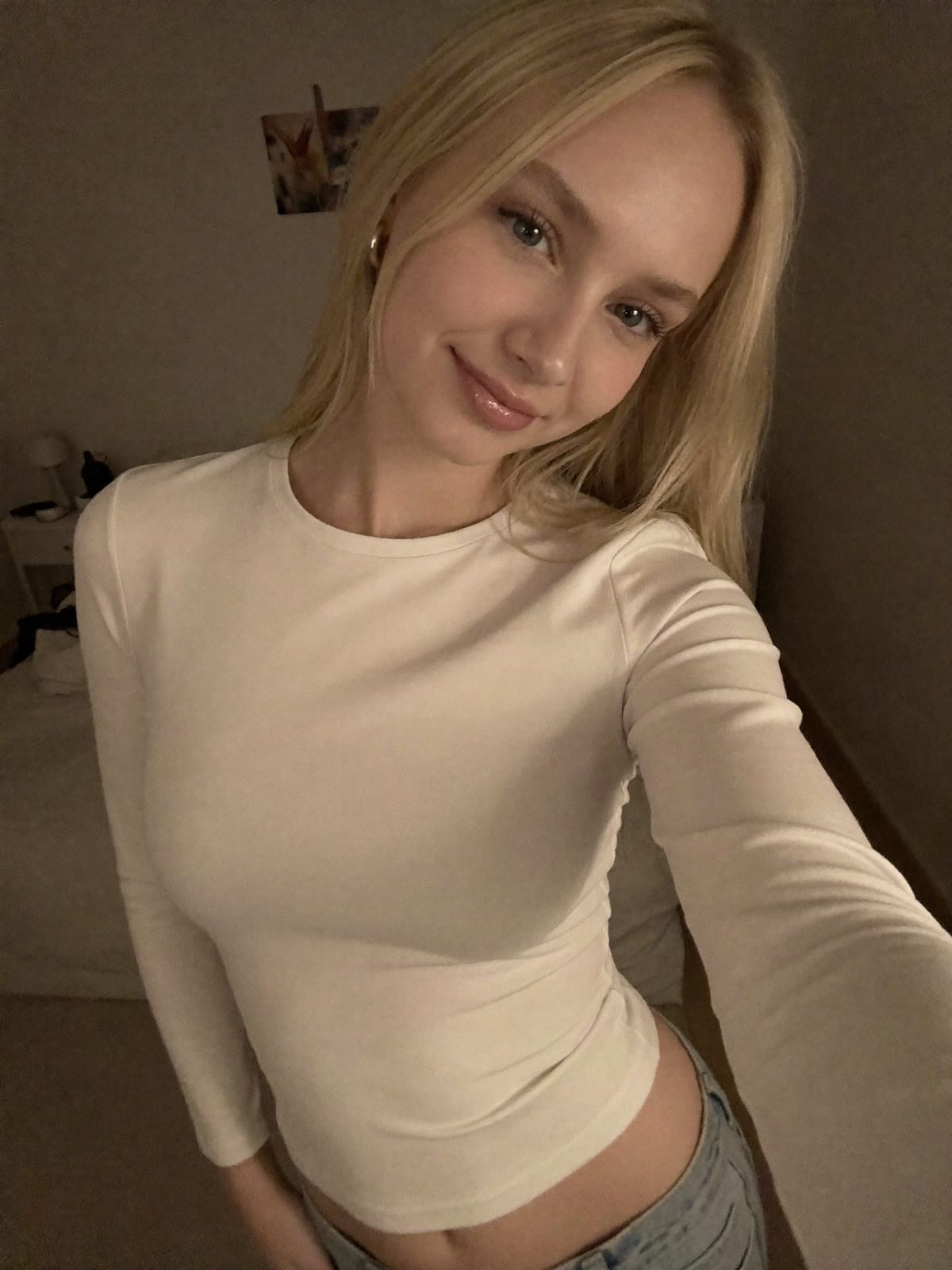
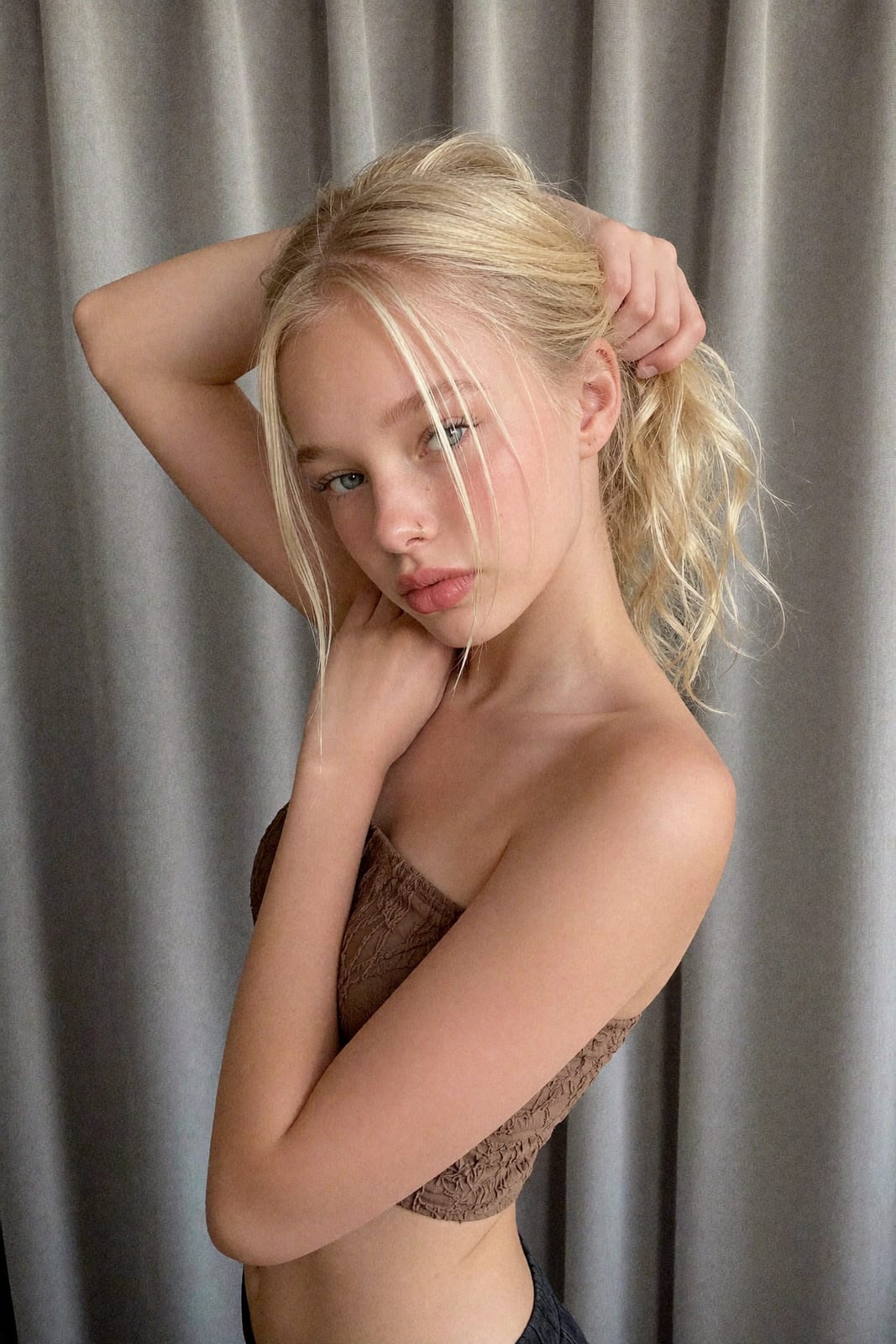
An AI influencer is a fictional, photorealistic person you fully own — one consistent face you can post, grow and monetise like any creator brand. Here's exactly how one is built, start to finish.
Virtual creators like Lil Miquela and Aitana López proved the model: an audience will follow a character that never ages, never cancels and never books out — as long as it looks unmistakably like the same person in every post. That last part is the whole game, and it's where most do-it-yourself attempts fall apart.
Step 1 — Lock the concept and niche
Before a single image is generated, decide who this person is. A clear brief makes everything downstream consistent. Pin down:
- Niche — beauty, fashion, fitness, streetwear, cozy lifestyle, travel. The niche dictates wardrobe, locations and tone.
- Look — age range, hair colour, body type, style and overall vibe. Gather 5–10 reference images for mood, never to copy a real person.
- Personality — the voice and content themes that will fill a real posting calendar.
Step 2 — Design the face and identity
This is the foundation. A strong base portrait fixes the facial structure — bone structure, eye shape, skin texture, the small asymmetries that make a face read as real rather than a glossy 3D render. Get this wrong and no amount of post-work will make the character feel like a person.
Step 3 — Make the identity consistent
Generating one good image is easy. Keeping the same identity stable across hundreds of photos and videos is the hard, technical part — and the single thing that separates a believable AI influencer from a folder of pretty strangers. It takes a trained, fine-tuned model of the character, not prompt-and-pray on a generic generator.
If the face shifts between posts, the illusion breaks and the account stops growing. Consistency isn't a nice-to-have — it's the product.
We wrote a deeper guide on exactly this: how to keep an AI model's face consistent across every photo.
Step 4 — Build the content set (photo + video)
A character isn't a brand until it has volume. Shoot the same person across multiple scenes, outfits and moods — selfies, lifestyle, editorial, indoor and outdoor — in 2K, with 4K and short reel-style video for the hero pieces. That's what gives you enough to feed a content calendar instead of a one-off avatar.
Step 5 — Publish, grow and monetise
With a consistent set in hand, post on a steady cadence, lean into one niche, and let the recognisable face do the work of building trust. From there the same identity can earn through brand deals, affiliate content, subscription platforms like Fanvue, and paid AI UGC ads — one face working across organic and performance at once.
Do it yourself or have it built?
You can assemble the pipeline yourself — base portrait, fine-tuning, generation, upscaling, video — but the consistency step has a steep learning curve and most of the cost is time. A done-for-you service hands you a locked persona and a finished set in a few days. If you'd rather skip straight to a postable model, that's exactly what Velora's AI influencer service delivers.