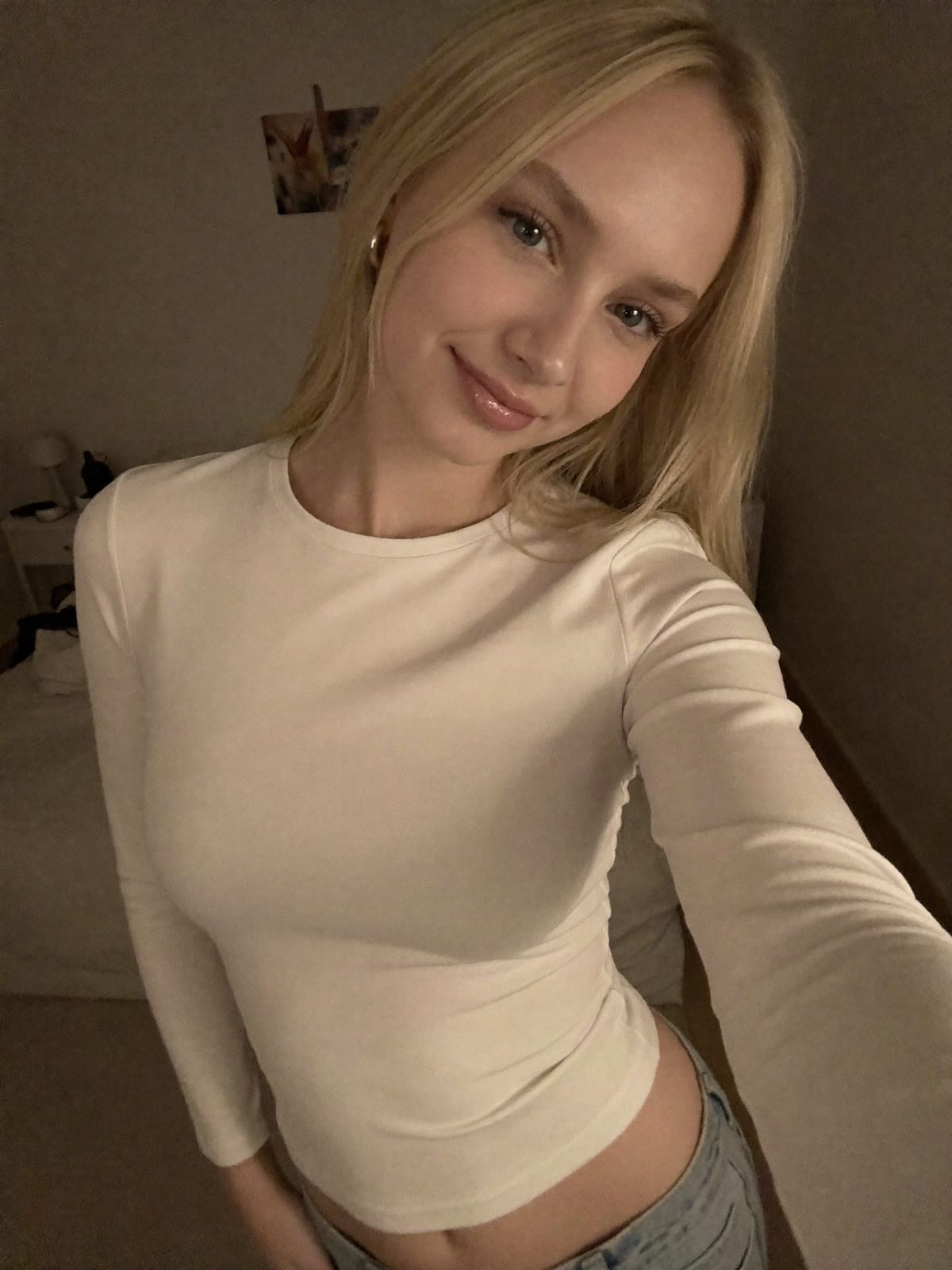
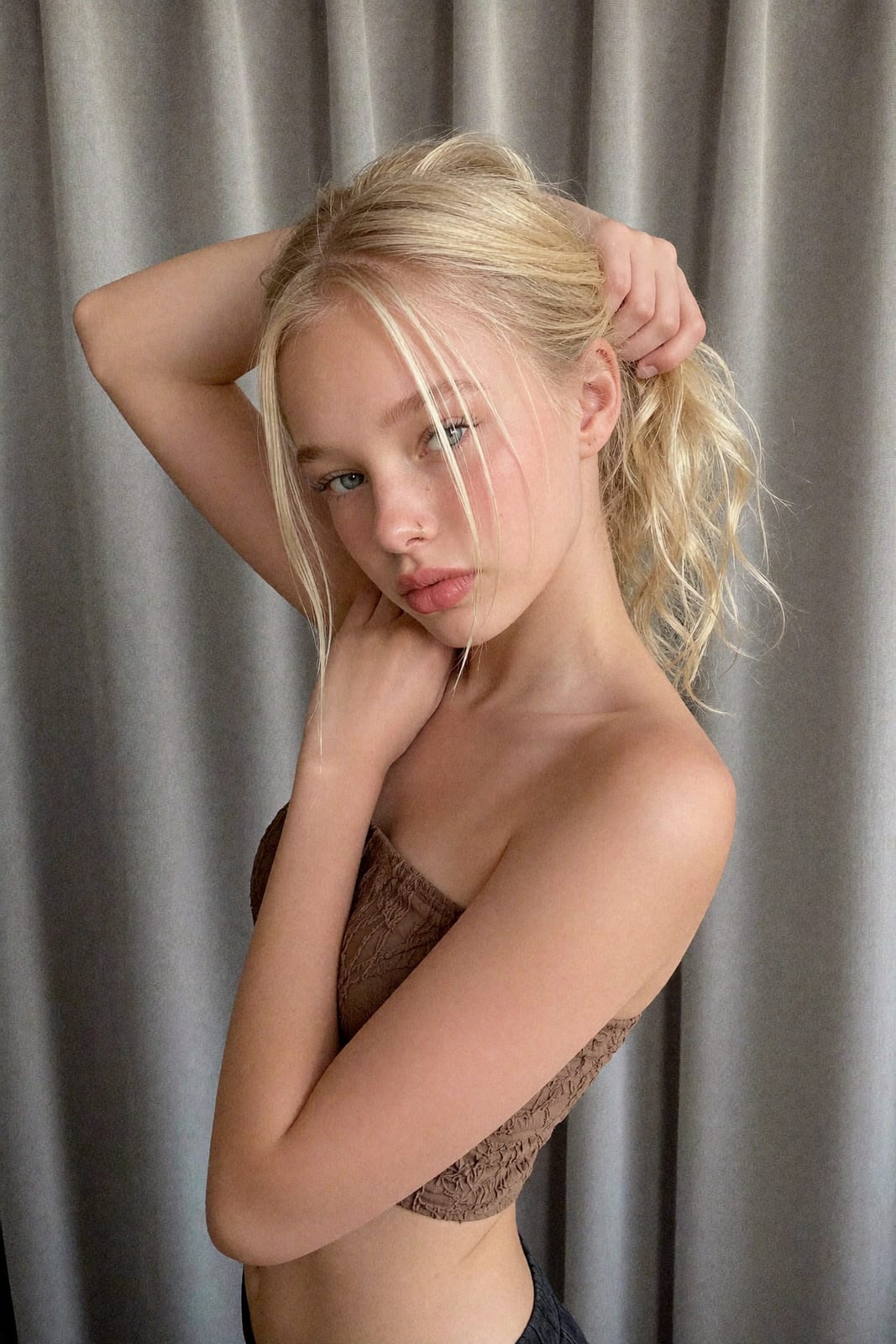
AI influencers won't replace every human creator — but for a growing set of use cases, a virtual model wins on cost, control and speed by a margin that's hard to ignore. Here's the honest trade-off.
Cost
A human campaign means day-rates, travel, studios, makeup, usage licensing and reshoots when something's off. An AI model has none of that — one build produces unlimited content with no marginal cost per image. For most brands the gap is an order of magnitude, not a few percent.
Control
A real person has opinions, schedules and reputational risk you can't undo. A virtual model is fully directable: exact look, wardrobe, scene and message, on brief every time, with no off-platform surprises that put a brand at risk.
Speed and scale
- Turnaround — a fresh set in days, not weeks of booking and coordination.
- Variations — dozens of outfits, angles and hooks from one identity, instantly.
- Availability — the model never cancels, ages out or books out.
Where humans still win
It's not one-sided. Real creators bring lived authenticity, a parasocial relationship audiences already trust, live experiences, and genuine product use. For storytelling that hinges on a real human's credibility, people still lead — and transparency matters: audiences and platforms increasingly expect AI content to be disclosed as AI.
The smart play usually isn't either/or — it's using an AI model for the high-volume, fully-controlled content and humans where real credibility carries the message.
When an AI influencer is the right call
Choose a virtual model when you need volume, tight creative control, a consistent on-brand face, fast turnaround or a budget that won't stretch to repeated shoots — ecommerce, apps, agencies and creators launching a faceless brand. New to it? See how to create an AI influencer, or go straight to a custom build.