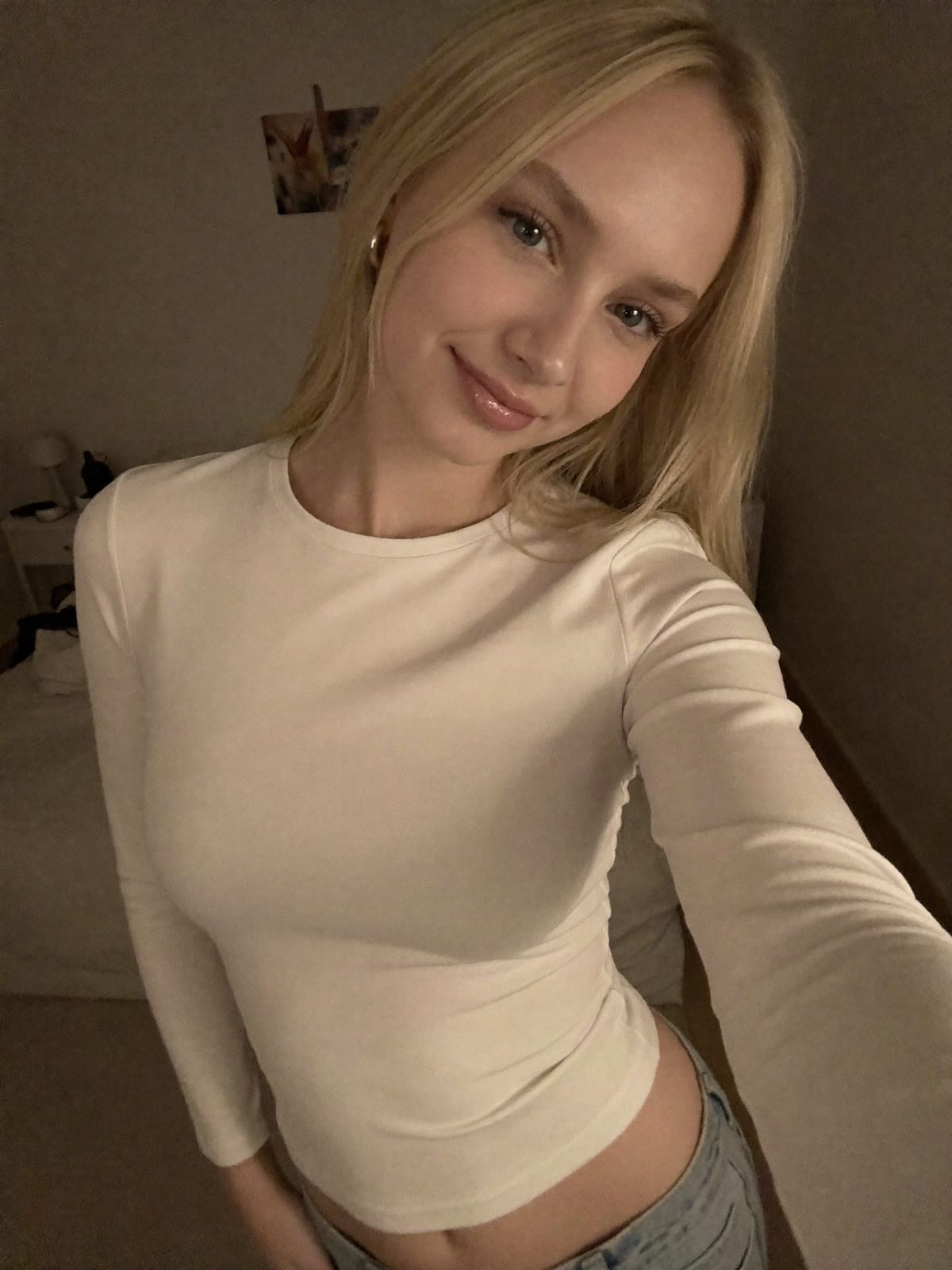
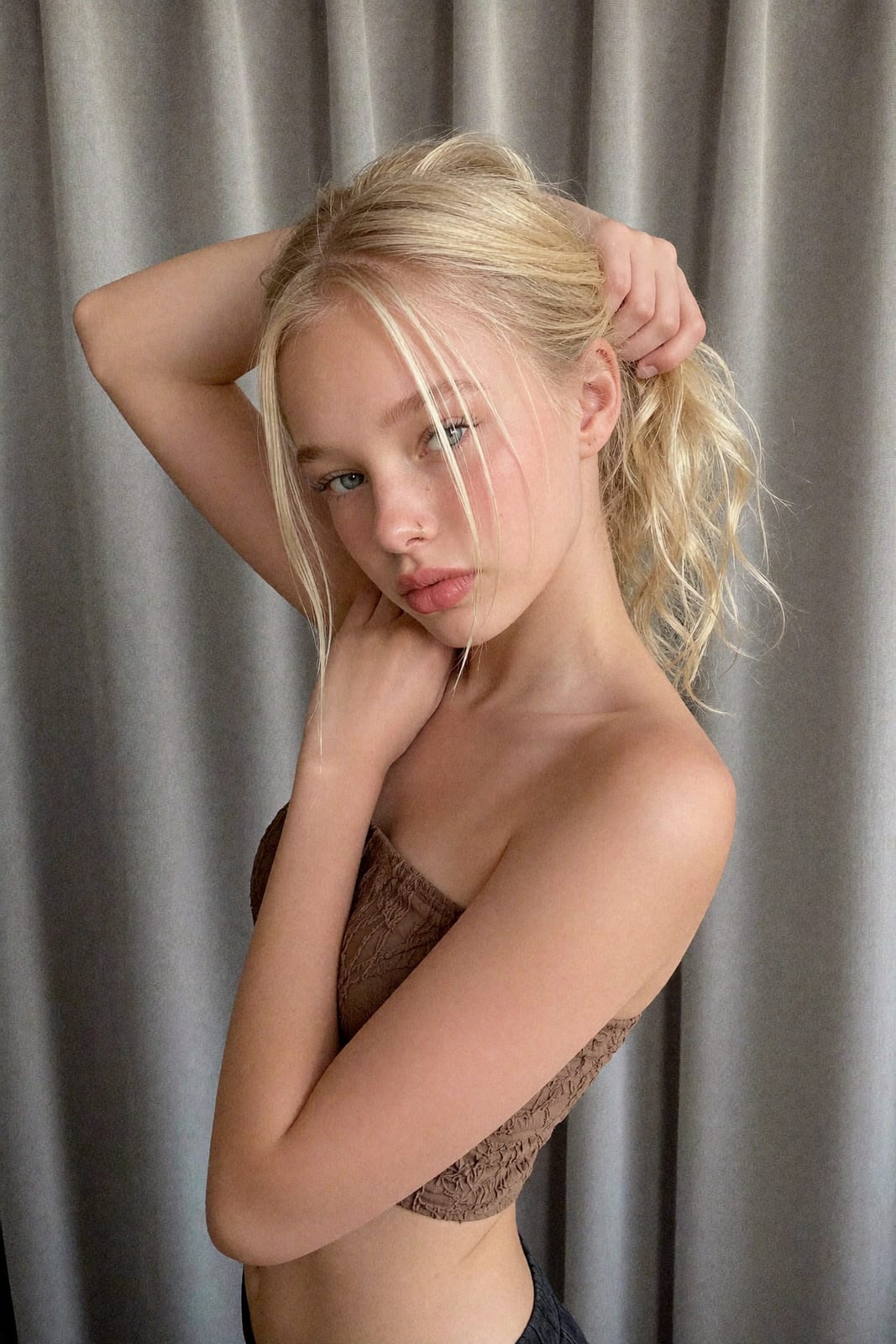
Short answer: yes, AI influencers are legal — with a few practical caveats around paid content disclosure, platform labelling and making sure your model is genuinely fictional. Here's what you actually need to know.
The core distinction: fiction vs. impersonation
Creating a fictional AI persona is legally straightforward — it's no different in principle from an animated mascot or a stock-photo model. The legal risk begins only when a synthetic image is used to copy, impersonate or deepfake a real, identifiable person without consent. A persona built from scratch — no real face sourced, no identity cloned — carries none of that exposure.
Velora AI creates fictional models only. Reference images provided by clients are used for aesthetic direction, never to copy or derive a real person's likeness.
Paid content disclosure (FTC, ASA and the EU)
Disclosure rules for paid partnerships apply to all content creators — human or AI. The FTC in the US and the ASA in the UK require that any material connection between a creator and a brand is clearly disclosed (#ad, #sponsored, or equivalent wording) when posting paid-for content. This rule doesn't change because the creator is fictional.
Whether you need to additionally disclose that the persona itself is AI-generated is a separate question — and current FTC guidance does not mandate a general AI-origin label. What's required is disclosure of the commercial relationship, not the production method.
Platform policies: what each one requires
- TikTok — requires an AI-Generated Content (AIGC) label on any realistic synthetic content. The label is applied in the upload settings, not as a hashtag.
- Instagram / Meta — requires a 'Made with AI' label on photorealistic AI images or videos; Meta's systems may apply it automatically and you can also add it manually.
- YouTube — requires disclosure when uploading realistic AI-generated content (face, voice or event) that could be mistaken for real. Applied in the upload settings.
- X (Twitter) — has a Community Notes system but no mandatory AI labelling policy as of mid-2026. Good practice is still to acknowledge the synthetic nature.
The direction of travel is clear: platforms are adding labelling requirements, not removing them. Building your AI persona with transparency from the start is lower-risk than retrofitting disclosure later.
Copyright on AI-generated images
In the US, purely AI-generated images currently receive no copyright protection under USPTO guidance — only a human author can hold copyright. In practice this matters less than it sounds: you retain control as the client who commissioned the work, and human creative input (direction, brief, selection, arrangement) strengthens any copyright claim. The EU's AI Act and other frameworks are still evolving. For commercial use, the operative question is who you contracted with — not the algorithm.
Likeness rights: why a fictional model is safe
Right-of-publicity laws protect real people from having their likeness used commercially without consent. A wholly fictional AI persona — no seed face, no real person sourced — has no corresponding real-world person and therefore no likeness rights issue. This is why starting from scratch matters: asking an AI tool to make a model that looks like a specific real celebrity is the single fastest route to a legal problem.
Use the disclosure label. Pick a fictional design. Own the commercial relationship clearly. Those three steps cover the overwhelming majority of legal exposure for an AI influencer in 2026.
Compare the risks and advantages against a human creator in our AI influencer vs. real influencer breakdown, or go straight to building a legally clean, fully fictional persona.